Rise up, don't be held down
Break free from the chains that bind you to the ground
A voice inside, it whispers loud and clear
It's time to shatter the chains and wipe away your tears
Freedom, it's a feeling like no other
The wind in your hair, and love that's your brother
You're unstoppable, untamed, and free
With every step, you're breaking the chains and being me
We were born to soar, to fly, to dream
But the weight of the world, it kept us stuck in the scheme
FreedomPatriot
boosted
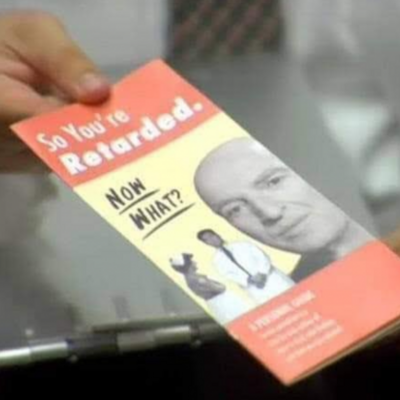
Maybe it was meant to be ??
Some are destined to have an employer...
Just sayin
Some are destined to have an employer...
Just sayin
FreedomPatriot
boosted

The why would anyone have to explain it further?
U.S. citizens must now carry identification, such as birth certificates or passports amid ICE raids.
FreedomPatriot
boosted
Remember when technology was a novelty ?
Resisting tyranny is a complex and multifaceted challenge that requires careful consideration of strategy, context, and methods.
Here are some general approaches to resisting tyranny:
Educate Yourself and Others: Understanding your rights, history, and the mechanisms of power is crucial.
Share information with others and foster critical thinking to help build awareness of tyranny.
Build Community: Form alliances with like-minded individuals and groups.
Morality is often considered "good" for several reasons:
Promotes Social Cohesion: Moral principles help create a sense of trust and cooperation among individuals within a society. When people adhere to shared moral values, it fosters harmony and reduces conflict.
Guides Behavior: Morality provides guidelines for how individuals should act, helping them navigate complex social interactions.
Tyranny is generally considered bad for several reasons:
Suppression of Rights and Freedoms: Tyranny often involves the suppression of individual rights and freedoms, including freedom of speech, religion, assembly, and press. This can lead to an oppressive environment where dissent is not tolerated.
Abuse of Power: Tyrannical governments usually concentrate power in the hands of a few, leading to corruption and abuse.
In the tapestry of American presidential history, some figures shimmer with charisma, others with revolutionary zeal. And then there is Grover Cleveland: a man whose very solidity, his unwavering adherence to principle, often seemed his most defining characteristic.
He wasn't a dazzling orator, nor a military hero, but a lawyer and politician who held fast to his understanding of the Constitution and the role of government.
FreedomPatriot
boosted
Well I cared to point it out for the sake of clearing eventual confusion over that.
I would have preferred a cartoon though. I'll pretend that it is a cartoon.
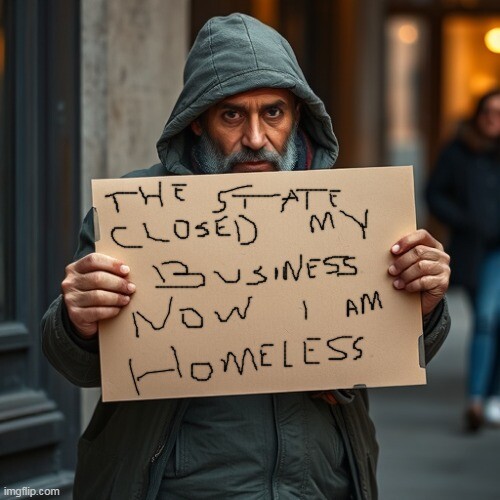
So is there a need to explain how loosing Ur business might render U homeless?
It should be universally understood how those things are connected without any further explanation.
A business owner are likely to be invested in their business. Loosing Ur business might be compared to loosing Ur farm in the old days
FreedomPatriot
boosted
Looks like AI and the text looks as if it's drawn in windows paint.
But what is the step "he" missed?