
Impale the jews
Joined Nov 2023

Good video of the experience how the country collapsing looks like.
https://www.youtube.com/watch?v=2M6-OEEzuNg
Biofoids are easily the most annoying and boring creatures in the planet, holy crap.
https://www.youtube.com/shorts/O2uFj00PRdY

Zeb 摆烂
boosted

Zeb 摆烂
boosted
Fun channel about Australian insanity:
https://www.youtube.com/watch?v=8NGNYGnKjQ8


Zeb 摆烂
boosted

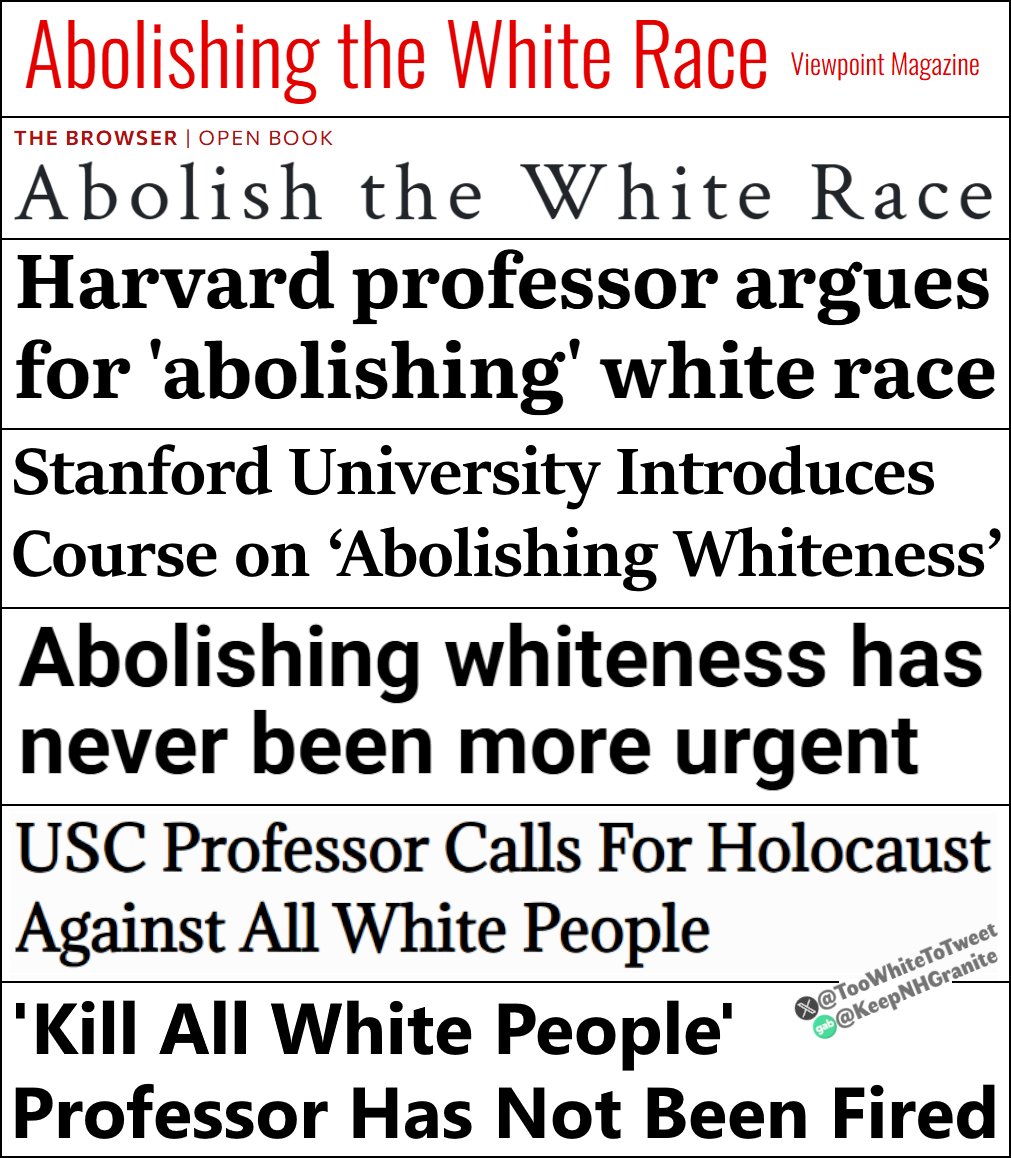
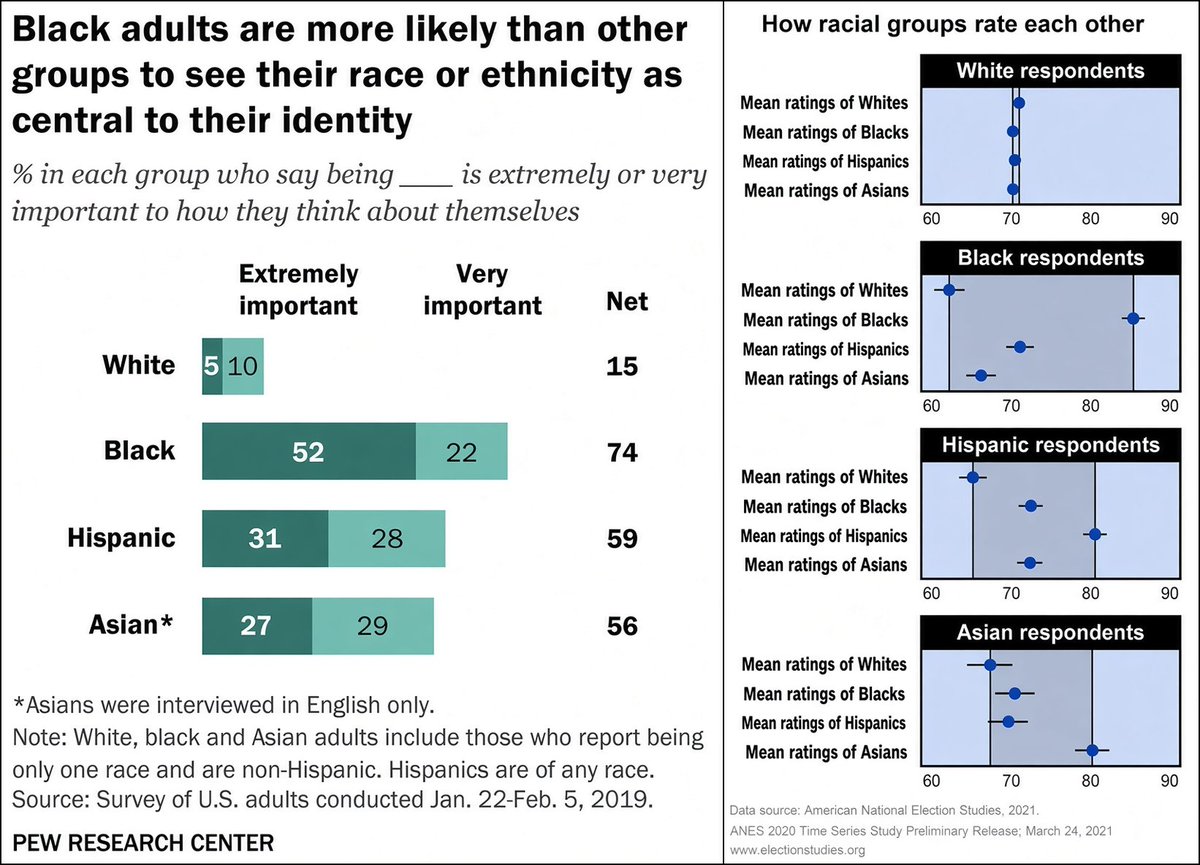
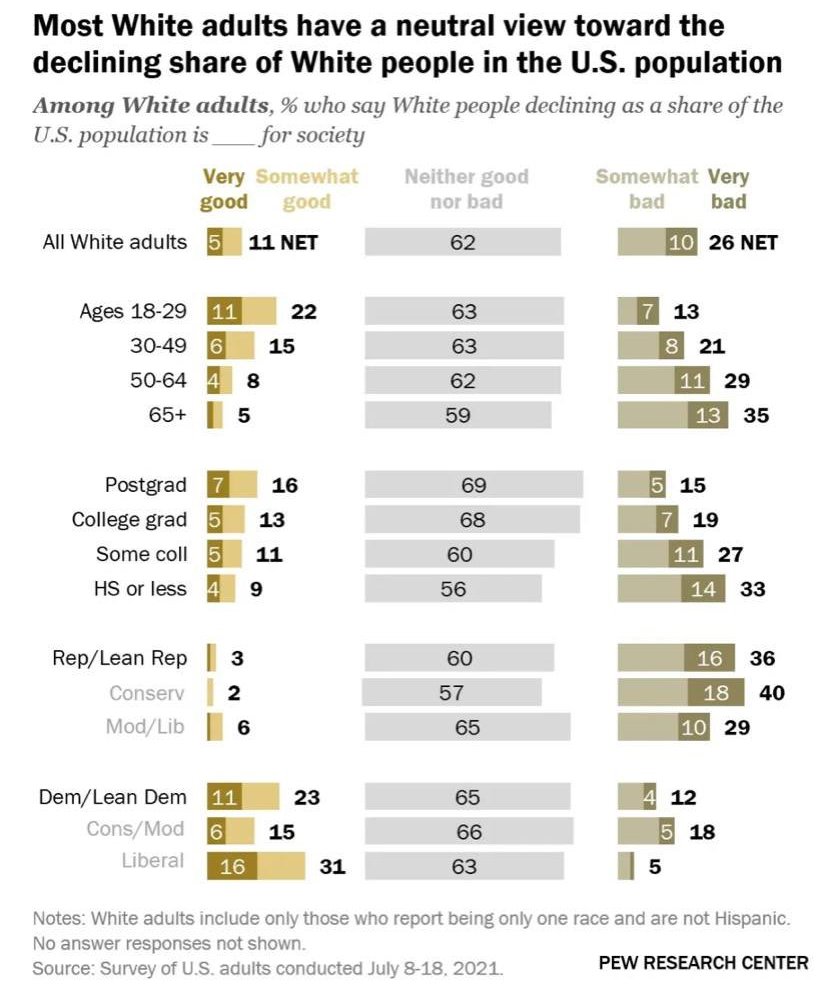
It's our Achilles' heel.
While White people are busy NOT thinking about our own existence, others are busy thinking not only about theirs, but how to expedite the cessation of ours.
So if we'd like to keep existing, we'd better get busy thinking about ourselves.
https://bird.makeup/users/fentanylbrownie/statuses/2098817465534824772
Zeb 摆烂
boosted
@Dubbub
Thanks. If we could look at genetic makeups at particular times in history, it would be more telling. Our understanding will always be incomplete, and debate on theories will persist.
Craniology was one of the best tools scientists had while raciology was an active science. The skull shapes found in burial sites was an indicator of race, but it does not tell the full story like you said. Archeogenetics (DNA sequencing old bones) is now revealing new information and upending previous theories on human migrations. The science seems today constrained by political forces in educational institutions since the world war (deemed racist). Here are some studies I am going through if interested:
Catalog of genetic studies on ancient Europeans. Newer studies may refute portions of these.
EARLY ANATOMICALLY MODERN HUMAN EXPANSIONS
Genetics and Material Culture Support Repeated Expansions into Paleolithic Eurasia from a Population Hub Out of Africa (2022) (https://doi.org/10.1093/gbe/evac045)
The role of genetic selection and climatic factors in the dispersal of anatomically modern humans out of Africa (2023) (https://www.pnas.org/doi/10.1073/pnas.2213061120)
The Persian plateau served as hub for Homo sapiens after the main out of Africa dispersal (2024) (https://www.nature.com/articles/s41467-024-46161-7)
PALEOLITHIC, MESOLITHIC
Population Genomics of Stone Age Eurasia (2022) (https://www.biorxiv.org/content/10.1101/2022.05.04.490594v2)
The genetic history of Ice Age Europe (2016) (https://pmc.ncbi.nlm.nih.gov/articles/PMC4943878/)
Palaeogenomics of Upper Palaeolithic to Neolithic European hunter-gatherers (2023) (https://www.nature.com/articles/s41586-023-05726-0)
Late Pleistocene human genome suggests a local origin for the first farmers of central Anatolia (2019) (https://www.nature.com/articles/s41467-019-09209-7)
The genomic origins of the world’s first farmers (2022) (https://www.cell.com/cell/fulltext/S0092-8674(22)00455-X)
Early Neolithic genomes from the eastern Fertile Crescent (2017) (https://pmc.ncbi.nlm.nih.gov/articles/PMC5113750/)
NEOLITHIC, BRONZE AGE
The Genetic Origin of the Indo-Europeans (2025) (https://pmc.ncbi.nlm.nih.gov/articles/PMC11922553/)
A genomic history of the North Pontic Region from the Neolithic to the Bronze Age (2025, supplement to above paper) (https://pmc.ncbi.nlm.nih.gov/articles/PMC11909631/)
Massive migration from the steppe was a source for Indo-European languages in Europe (2015) (https://reich.hms.harvard.edu/sites/reich.hms.harvard.edu/files/inline-files/nature14317.pdf)
Ancient genomics support deep divergence between Eastern and Western Mediterranean Indo-European languages (2024) (https://www.biorxiv.org/content/10.1101/2024.12.02.626332v1)
The formation of human populations in South and Central Asia (2019) (https://www.science.org/doi/10.1126/science.aat7487)
100 ancient genomes show repeated population turnovers in Neolithic Denmark (2024) (https://www.nature.com/articles/s41586-023-06862-3)
The genomic origins of the Bronze Age Tarim Basin mummies (2021) (https://www.nature.com/articles/s41586-021-04052-7)
Bronze and Iron Age population movements underlie Xinjiang population history (2022) (https://www.researchgate.net/publication/359661635_Bronze_and_Iron_Age_population_movements_underlie_Xinjiang_population_history)
IRON AGE, ANTIQUITY, MEDIEVAL
Stable population structure in Europe since the Iron Age, despite high mobility (2024) (https://pmc.ncbi.nlm.nih.gov/articles/PMC10827293/)
High-resolution genomic history of early medieval Europe (2025) (https://www.nature.com/articles/s41586-024-08275-2)
Steppe Ancestry in Western Eurasia and the Spread of the Germanic Languages (2025) (https://www.biorxiv.org/content/10.1101/2024.03.13.584607v2)
The Anglo-Saxon migration and the formation of the early English gene pool (2022) (https://www.nature.com/articles/s41586-022-05247-2)
Population genomics of the Viking world (2019) (https://www.biorxiv.org/content/10.1101/703405v1.full)
Evidence for dynastic succession among early Celtic elites in Central Europe (2024) (https://www.nature.com/articles/s41562-024-01888-7)
Demography and life histories across the Roman frontier in Germany 400–700 ce (2026) (https://www.nature.com/articles/s41586-026-10437-3)
The genomic history of the Iberian Peninsula over the past 8000 years (2019) (https://pmc.ncbi.nlm.nih.gov/articles/PMC6436108/)
Ancient Rome: A genetic crossroads of Europe and the Mediterranean (2019) (https://www.science.org/doi/10.1126/science.aay6826)
The origin and legacy of the Etruscans through a 2000-year archeogenomic time transect (2021) (https://www.science.org/doi/10.1126/sciadv.abi7673)
Ancient DNA connects large-scale migration with the spread of Slavs (2025) (https://www.nature.com/articles/s41586-025-09437-6)
Genetic history of Rus’ (2025) (https://www.biorxiv.org/content/10.64898/2025.12.30.695215v1.full)
A genetic history of the Balkans from Roman frontier to Slavic migrations (2023, see supplements for detailed admixture analyses) (https://www.cell.com/cell/fulltext/S0092-8674(23)01135-2)
Ancient DNA reveals admixture history and endogamy in the prehistoric Aegean (2023) (https://www.nature.com/articles/s41559-022-01952-3)
Ancient DNA reveals the origins of the Albanians (2025) (https://www.biorxiv.org/content/10.1101/2023.06.05.543790v2.full)
Genetic history of Scythia (2025) (https://pmc.ncbi.nlm.nih.gov/articles/PMC12285711/)
Ancient DNA reveals the prehistory of the Uralic and Yeniseian peoples (2025) (https://pmc.ncbi.nlm.nih.gov/articles/PMC12342343/)
The genetic origin of Huns, Avars, and conquering Hungarians (2022) (https://www.cell.com/current-biology/fulltext/S0960-9822(22)00732-1)
Ancient DNA reveals reproductive barrier despite shared Avar-period culture (2025) (https://pmc.ncbi.nlm.nih.gov/articles/PMC11864967/)
Genome-wide data from medieval German Jews show that the Ashkenazi founder event pre-dated the 14th century (2022) (https://pmc.ncbi.nlm.nih.gov/articles/PMC9793425/)
@amerika @admin @Zeb
Zeb 摆烂
boosted

Zeb 摆烂
boosted

Zeb 摆烂
boosted


Zeb 摆烂
boosted

Zeb 摆烂
boosted

https://www.usluck.com/898665/couldve-held-out-for-more/ Could’ve held out for more #History #HistoryMemes #Memes
Zeb 摆烂
boosted

Zeb 摆烂
boosted

Zeb 摆烂
boosted








Impale the jews
Joined Nov 2023