shortstories @[email protected]
Nationalism not Globalism
Local Anarchist communities not Worldwide Anarchism
Corporations, United Nations Governments, Most Media and Most Clergy are on Team Evil
The Jewish religion intends to exterminate Christians
The Jewish religion intends to enslave or exterminate Gentiles or Goyim
Palestinians are the true Hebrew Israelites
at short stories at
poa dot st
@shortstories
merovingian dot club
@shortstories
worldchristianfaith.blogspot.com
Joined Sep 2023
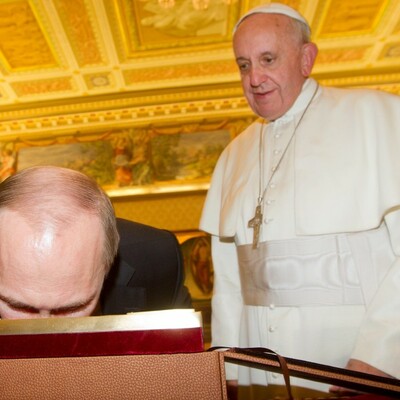
Usually when I see a plate like that ( in a commercial gym ) it is 45 pounds or 45 kilograms I do not remember which
There are 6 such plates three on each side plus the weight of the bar
But some of the plates look like they are different thickness than the others the two closer to the center ( especially the one on my left which is his right ) look thinner
@Soy_Magnus @Zergling_man @Stahesh
This does not appear to be replying to any comment
Did I accidentally delete something that your replied to by deleting and redrafting it to edit it?
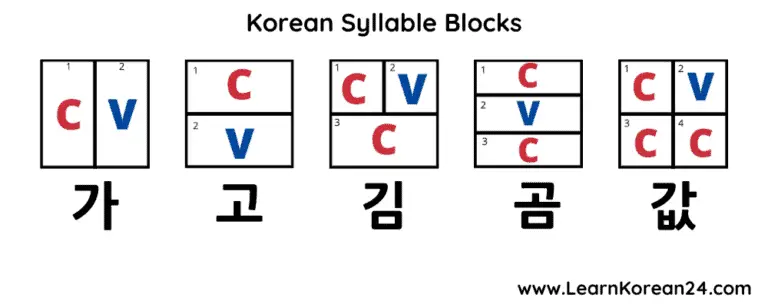
Whether or not a consonant is in the beginning or end of the block and what the previous and next block is effect how a consonant is pronounced
Whether or not a vowel is below the first consonant or to the right of the first consonant in a tripartite syllable depends on the shape of the vowel and does not depend on the consonant
I believe that the final consonant in the tripartite syllable is always below the vowel with possible exceptions for ancient Korean or artistic Korean
When studying Korean it is important to understand what a syllable block is so that you read the consonants and vowels in the correct order
Korean forms tripartite blocks
After you finish reading a block the next block you read will be to it's right with artistic and ancient exceptions
C = Consonant
V = Vowel
https://learnkorean24.com/learn-the-korean-alphabet/
https://learnkorean24.com/wp-content/uploads/2020/07/Korean-Syllable-Blocks-768x307.png
Korean pronunciation rules / Resyllabification ("Spill-over) rules / How to pronounce Korean words
Your Korean Tutor
https://www.youtube.com/watch?v=8irqn4CcgAw
Resyllabification and Pronunciations of Korean Consonants
Say Jack dot com
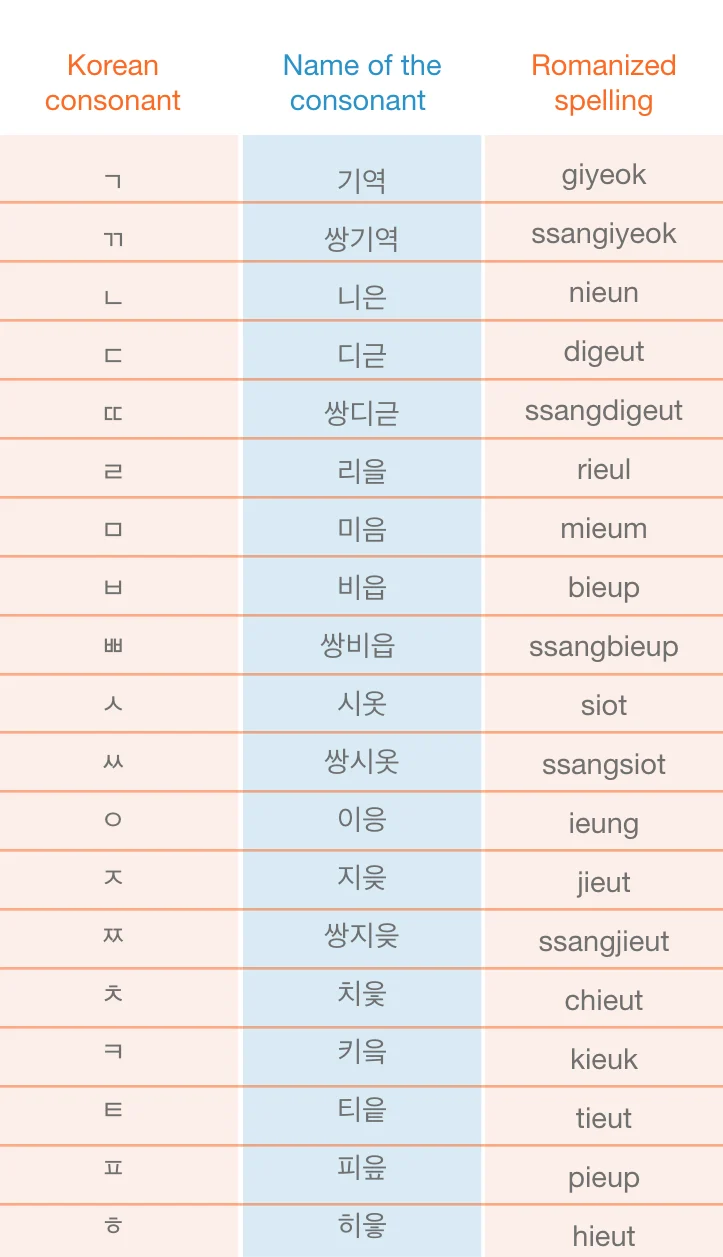
Here is how the names of the Korean letters are spelled both in Korean and in Romanization or spelled with English letters
Notice the connection between the last consonant in their Romanized spelling and the second pronunciation in the previous chart I showed you
Depending on your point of view there is a possible exception with the silent letter because you can not spell the pronunciation of being silent in English letters.
https://www.languagetrainers.com.au/blog/wp-content/uploads/2021/05/Korean_chart_01.jpg
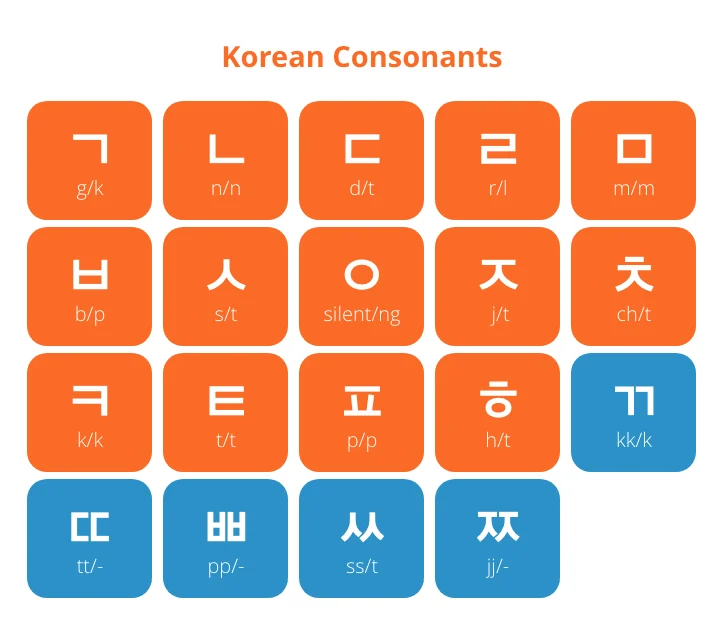
Notice how most of the letters in the chart have two sounds
By first sound I mean the sound before the slash in the chart
By second sound I mean the sound after the slash in the chart
The first sound I think usually occurs if it is at the start of the tripartite syllable and no other syllable is before it
The second sound I think usually occurs if it is at the end of a tripartite syllable and no other syllable is after it
https://www.languagetrainers.com.au/blog/wp-content/uploads/2021/05/Korean_chart_03.jpg
shortstories
boosted

These are the times where we separate the retarded from the very smart.
Johnny Monoxide on the paranormies presents mentioned the ritual sacrifice of Israel
He also has an episode called something like I'll see Jew in Switzerland
Furthermore many people believe Ashkenazi Jews original homeland is in Ukraine not Israel
Some people think the Ukraine war is a way to depopulate gentiles in their Ukraine homeland before the Ashkenazi Jews return
shortstories
boosted

shortstories
boosted

The public education system reaches its logical conclusion: AI teaching lessons, AI Providing homework based on said lessons, AI doing the homework and AI grading said homework
shortstories
boosted


@nomebullyyou @Witch_Hunter_Siegfried @reallyangry
When you think Ashkenazi Jews your first thought should be European not Middle Eastern
When you think Syrian Palestinian your first thought should be Middle Eastern
This should be in terms of culture, language, ancestry and genetics
Yiddish a language of Ashkenazi Jews has a lot of European words
Ashkenazi Jews are associated with Germany, Poland, the Soviet Union countries and perhaps the ancient location of Ashkenaz in Turkey not Israel
The following consonants in English can be represented by a single Korean consonant that is sometimes pronounced like one and sometimes like the other
B b & P p can be interchanged
R r and L l can be interchanged
S s and T t can be interchanged
D d and T t can be interchanged
G g and K k can be interchanged
The consonants V v and F f do not exist in Korean The F Flakes in frosted flakes uses an H and the V v in video uses a B b
I wrote each letter twice upper case & lower case
@Stahesh
There is at least 1 exception to what I said and that is the silent consonant that is shaped like a circle
It is silent at the start of a syllable but an ng sound at the end of a syllable
Maybe the end of the previous syllable might spilloveor and change pronounciation when the silent syllable is the next syllable?
When you listen remember each consonant can be pronounced two ways & you can guess the consonant to some degree from a list
Just imagine an Asian accent speaking English
Each of the letters has a name
The first part of the name is how it is pronounced at the start of a tripartate syllable and the second part is how it is pronounced at the end
The letter name is pronounced something like the English word Real but with different vowels
So I believe that at the start of a tripartate syllable it is usually an R but at the end of the syllable it is usually an L
however if there is another syllable from the same word before or after it that might change
@Zergling_man @DeezMistaReez @special-boy
Mcrosoft Windows was worse it would not let me use word and or excel less than one year and in fact most likely less than six months after getting a new computer
I found a receipt of purchase for mcrosoft office products from years ago
And then I remembered the incident
Chromebook has treated me better than windows even after uninstalling all my free google apps that I did not pay for
shortstories
boosted
Americans scream that there must be a new law that outlaws punching firefighters, but isn't assault already illegal?
If you buy or illegally download "You speak Korean"
It has a section talking about the spillover rule
It might be somewhere before page 60
Each consonant usualky has two different ways to pronounce it depending on if it is the first or last consonant in a tripartate syllable and if that syllable is followed by another syllable and what the next syllable is
You speak Korean is out of print but I legally purchased the first three volumes on amazon and PDFs were listed online free
Nationalism not Globalism
Local Anarchist communities not Worldwide Anarchism
Corporations, United Nations Governments, Most Media and Most Clergy are on Team Evil
The Jewish religion intends to exterminate Christians
The Jewish religion intends to enslave or exterminate Gentiles or Goyim
Palestinians are the true Hebrew Israelites
at short stories at
poa dot st
@shortstories
merovingian dot club
@shortstories
worldchristianfaith.blogspot.com
Joined Sep 2023